
Every golfer who has played We-Ko-Pa knows that Sonoran Desert wildlife is an important part of the experience. Roadrunners dart across the fairways, hawks circle overhead and the occasional coyote makes an appearance in the distance.
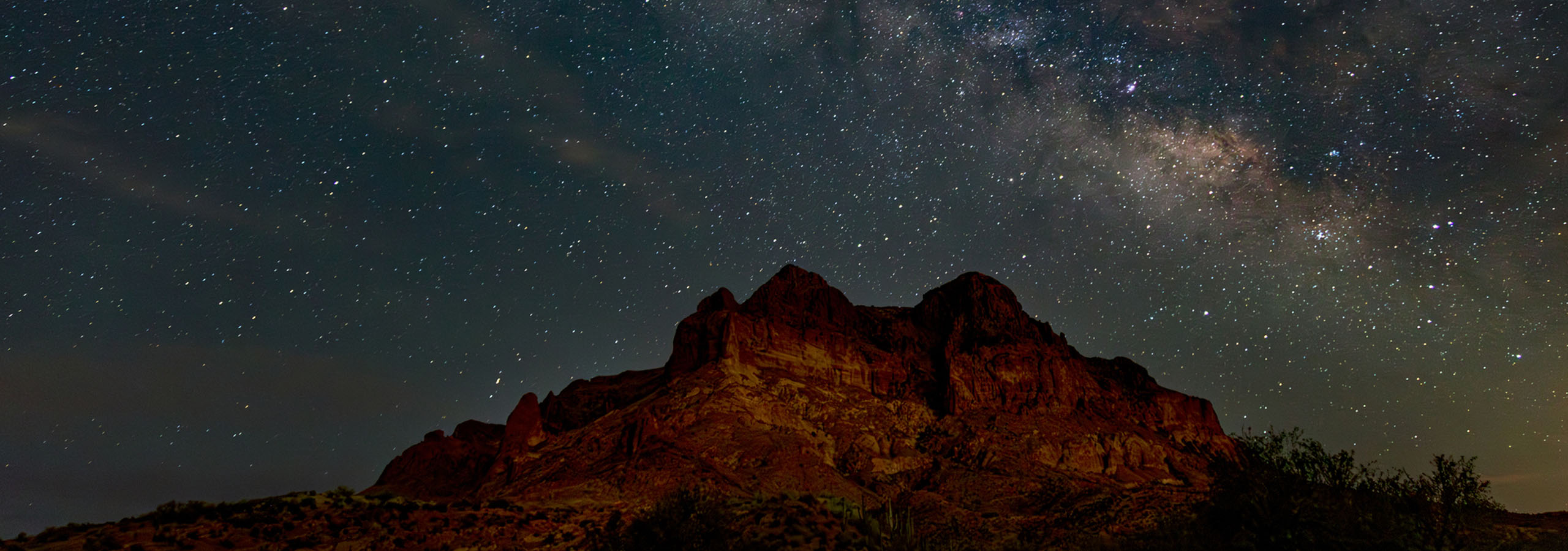
That’s because much of the Sonoran Desert operates on a different schedule. As the sun sets and temperatures begin to fall, an entirely different community of animals emerges to take advantage of the cooler conditions. And their remarkable adaptations offer a glimpse into just how resourceful desert wildlife can be.
When the Sun Goes Down, the Desert Comes Alive
For many desert animals, avoiding the midday heat is essential to survival. Rather than spending their days exposed to the Arizona sun, they remain underground, sheltered beneath vegetation or hidden among rocks until conditions become more favorable.
The Merriam’s kangaroo rat is a particularly impressive example. This small, nocturnal rodent gets its name from its powerful hind legs, which allow it to hop across the desert floor. Despite its name, it isn’t related to kangaroos, and its ability to survive in extremely dry environments is extraordinary.
Kangaroo rats obtain much of the moisture they need from the seeds they eat and the metabolic processes that break down their food. Their kidneys are exceptionally efficient at conserving water, allowing them to survive without regularly drinking free-standing water.
Desert bats have developed their own nighttime routines. As darkness falls, insect-eating species take to the air, consuming moths, beetles and other flying insects. Some bat species also play important roles in pollinating desert plants, including the iconic saguaro cactus.
Built for Desert Survival
Living in the Sonoran Desert requires more than finding shade during the hottest part of the day. Animals have evolved a remarkable assortment of physical and behavioral adaptations to cope with limited water, extreme temperatures and unpredictable rainfall.
Consider the desert tortoise. Rather than constantly searching for water, it spends much of its life in burrows and rocky shelters, emerging when conditions are favorable. Its bladder can store substantial amounts of water, helping it endure extended dry periods.
Desert reptiles use another strategy. Because they rely on external sources of heat to regulate their body temperatures, lizards often move between sun and shade throughout the day. During the hottest months, some shift their activity to the cooler morning and evening hours.
Even the smallest desert residents have developed clever survival techniques. Harvester ants collect and store seeds, while many native insects time their activity to coincide with rainfall, flowering plants and other seasonal opportunities.
The Desert Has Its Own Calendar
Although the Sonoran Desert may look relatively unchanged from one golf season to the next, its wildlife follows a surprisingly dynamic annual cycle.
During the cooler winter months, migratory birds join the year-round residents, taking advantage of Arizona’s relatively mild temperatures. As spring arrives, flowering plants provide food for pollinators, and rising temperatures bring increased activity among reptiles and insects.
Then comes the summer monsoon.
Rainfall can transform the desert almost overnight. Temporary pools form in low-lying areas, dormant plants begin to grow, and animals respond to the sudden availability of moisture. Spadefoot toads, for example, may remain buried underground for much of the year before emerging following heavy summer rains to breed in temporary pools.
For many desert species, these brief periods of abundance are essential to their survival.
A Living Landscape Beyond the Fairways
One of the defining characteristics of We-Ko-Pa Golf Club is its location within an expansive Sonoran Desert landscape. Unlike courses surrounded by residential development, Saguaro and Cholla are bordered by large stretches of natural desert habitat.
That surrounding environment supports the broader ecological community, from flowering plants and pollinating insects to birds, reptiles and mammals. The desert washes, rocky slopes and native vegetation provide food, shelter and pathways through the landscape.
For golfers, much of this activity goes unnoticed. A small opening beneath a shrub might lead to an animal’s burrow. Tracks crossing a sandy wash could reveal an overnight visitor. The sound of birds calling from nearby vegetation may be the only indication that something is moving just beyond the fairway.
And while observing wildlife is part of the appeal of playing golf in the Sonoran Desert, it’s important to appreciate these animals from a respectful distance and leave their habitats undisturbed.
There’s More to See Than Meets the Eye
The next time you play Saguaro or Cholla, consider what’s happening in the desert around you, even when you can’t see it. Beneath the soil, among the cacti and across the surrounding hillsides, countless creatures are going about the business of surviving in one of North America’s most remarkable environments.
The desert doesn’t stop being active when the golfers go home. In many ways, it’s just getting started.